Section i
Word Origins
Etymology is the study of where words come from. Following a word back through the centuries often shows a small piece of history: a trade route, an invasion, a joke that stuck.
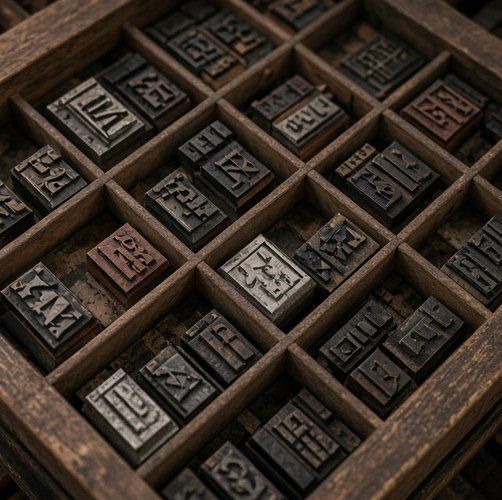
Where English vocabulary comes from
The core of English is Germanic: everyday words such as house, bread, child and water go back to Old English. Viking settlers added Norse words, including sky, egg, knife, window and even the pronoun they. After 1066, Norman French became the language of the court and the law, and thousands of French words arrived: justice, parliament, beef, pork, river. During the Renaissance, scholars borrowed heavily from Latin and Greek.
Farm and table. English often has an Old English word for the animal and a French word for the meat: cow and beef, pig and pork, sheep and mutton. The usual explanation is that English-speaking farmers raised the animals and French-speaking nobles ate them.
Words that changed their meaning
- nice Latin nescius, “not knowing”
- Meant foolish in Middle English, then shy, fussy and precise, and only later pleasant.
- awful “full of awe”
- Once meant inspiring wonder or fear. The sense of very bad came later.
- silly Old English sǣlig, “blessed, happy”
- Slid through “innocent” and “pitiable” to “foolish”.
- decimate Latin decimare
- In the Roman army, to punish a unit by killing one soldier in ten. It now usually means to destroy a large part of something.
- clue clew, a ball of thread
- From the thread that led Theseus out of the labyrinth in the Greek myth.
Words named after people and places
- sandwich: after John Montagu, 4th Earl of Sandwich, said to have eaten meat between bread so he would not have to leave the card table.
- boycott: after Charles Boycott, a land agent in Ireland who was shunned by his community in 1880.
- cardigan: after the 7th Earl of Cardigan, a British commander in the Crimean War.
- denim: from French serge de Nîmes, cloth from the town of Nîmes.
- serendipity: coined by Horace Walpole in 1754, from a Persian tale, The Three Princes of Serendip, whose heroes kept finding things they were not looking for.
Borrowed from around the world
| Word | From |
|---|---|
| shampoo | Hindi chāmpo, “press, massage” |
| ketchup | probably Hokkien Chinese kê-tsiap, a fish sauce |
| kangaroo | Guugu Yimithirr, an Aboriginal language of north Queensland |
| robot | Czech robota, forced labour, from Karel Čapek’s 1920 play R.U.R. |
| algebra | Arabic al-jabr, “the reunion of broken parts” |
| tycoon | Japanese taikun, “great lord” |
Folk etymology and myths
Good stories spread faster than dull facts. A few popular explanations that do not hold up:
- “Posh” is not short for “port out, starboard home”. No early evidence supports the story about ship cabins.
- “Salary” and salt. The word does come from Latin salarium, linked to sal, salt, but the tale that Roman soldiers were paid in salt is unproven.
- Acronym myths. Most short old words were not built from initials. Stories that explain ordinary words as abbreviations usually appeared long after the words did.